
A LAKE THAT DOESN’T LOOK REAL
Lake Natron is one of East Africa’s most unusual landscapes. Its shallow waters can shift dramatically in appearance according to water levels, mineral concentrations, microorganisms and light, producing shades that range from pale silver and white to pink, orange and deep red. Salt crusts and exposed mineral flats create patterns along the shoreline, while heat can produce shimmering mirages across the horizon. The lake is highly alkaline, creating harsh conditions for many forms of life, yet that same environment has helped make Natron extraordinarily important to one particular bird.
THE KINGDOM OF THE LESSER FLAMINGO
Lake Natron is internationally important for the lesser flamingo and serves as its principal breeding site in East Africa. Under suitable conditions, enormous numbers of flamingos can gather around the lake, feeding on microorganisms that thrive in its alkaline waters. Breeding activity depends on highly specific environmental conditions, including water levels and the formation of suitable nesting areas, so neither vast concentrations nor breeding behaviour should ever be promised for a particular visit. Even outside peak concentrations, the sight of flamingos scattered across Natron’s strange mineral landscape can be one of northern Tanzania’s most distinctive wildlife experiences.
IN THE SHADOW OF OL DOINYO LENGAI
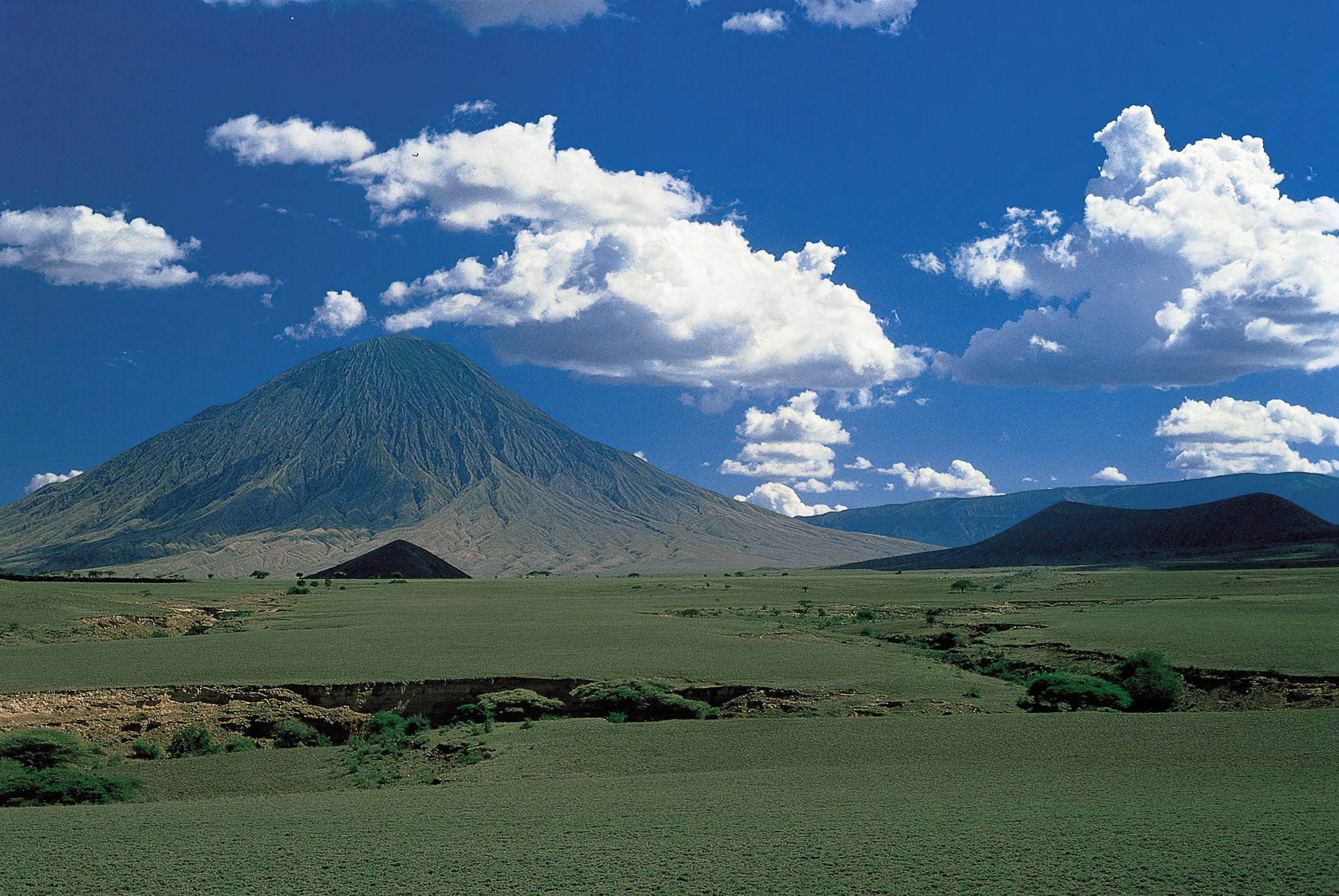
Rising dramatically south of the lake is Ol Doinyo Lengai, an active volcano whose Maasai name is commonly translated as the Mountain of God. Its steep, almost perfectly defined shape dominates the surrounding plains and gives Lake Natron much of its visual identity. Lengai is geologically remarkable for its unusual volcanic activity, but for travellers it is first experienced simply as a commanding presence on the horizon. Adventurous visitors can arrange challenging guided climbs, often beginning during the night to avoid the intense daytime heat and reach higher ground around sunrise. This is a serious physical undertaking and should be approached with appropriate preparation and experienced local guidance.
WALK BEYOND THE LAKE
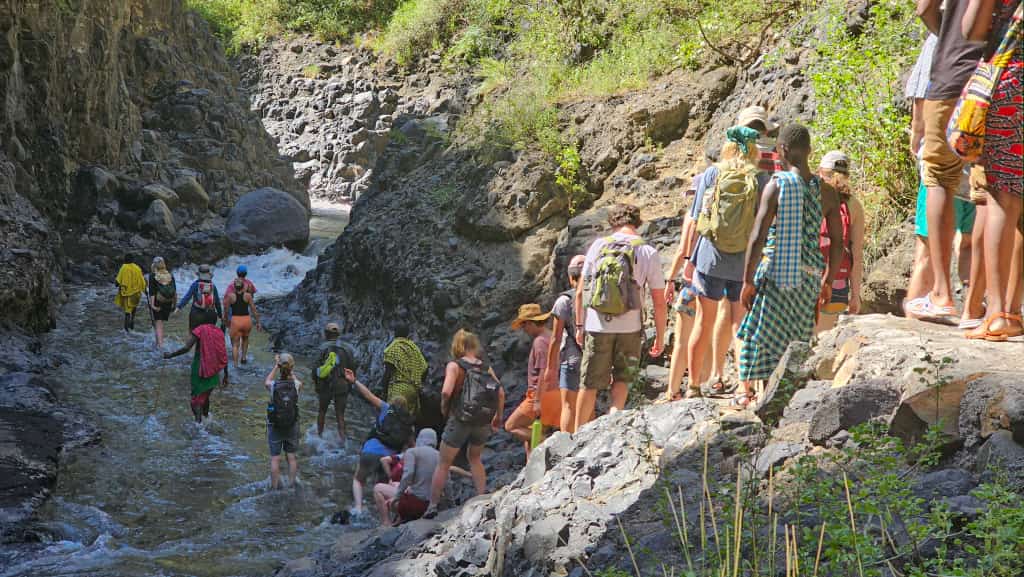
Natron is a place where getting out of the vehicle matters. Guided walks can lead toward viewpoints overlooking the lake, through surrounding villages and across the dry landscape toward streams and waterfalls hidden within the Rift Valley terrain. After hours of dust, rock and heat, finding running water beneath the escarpment feels almost improbable. These walking experiences give Natron a different rhythm from traditional game-drive destinations and make it particularly attractive for travellers who want their Tanzania journey to include more than wildlife viewing from a safari vehicle.
MAASAI COUNTRY
The landscapes surrounding Lake Natron are also home to Maasai communities whose lives remain closely connected to livestock, land and seasonal resources. Cultural visits can offer travellers a better understanding of life in this remote part of northern Tanzania when arranged respectfully and with genuine local participation. For Wildpack, I would avoid presenting this as a staged “tribe visit.” Position it instead as an opportunity to meet people, learn about the landscape through those who live within it and understand that Natron is not empty wilderness. It is home.
WHEN IS THE BEST TIME TO VISIT LAKE NATRON?
Lake Natron can be visited at different times of year, but conditions vary considerably with rainfall, heat and water levels. The drier months generally make road access and walking easier, although daytime temperatures can become intense. Flamingo numbers and breeding activity vary according to environmental conditions rather than following a perfectly predictable tourist calendar. Travellers specifically interested in flamingos should therefore plan around current local conditions instead of relying on guaranteed seasonal claims. Early mornings and late afternoons are particularly rewarding for photography, when the light softens the volcanic landscape and temperatures become more comfortable.
HOW LONG SHOULD YOU SPEND AT LAKE NATRON?
We recommend two nights for most travellers. Natron’s remote location means that travelling there simply to photograph the lake and immediately leave misses much of the point. An extra night creates time for a lakeshore walk, waterfall experience, cultural encounter or simply watching the light change across Ol Doinyo Lengai. Travellers attempting the volcano climb will need an itinerary specifically structured around the climb, recovery time and onward journey.