
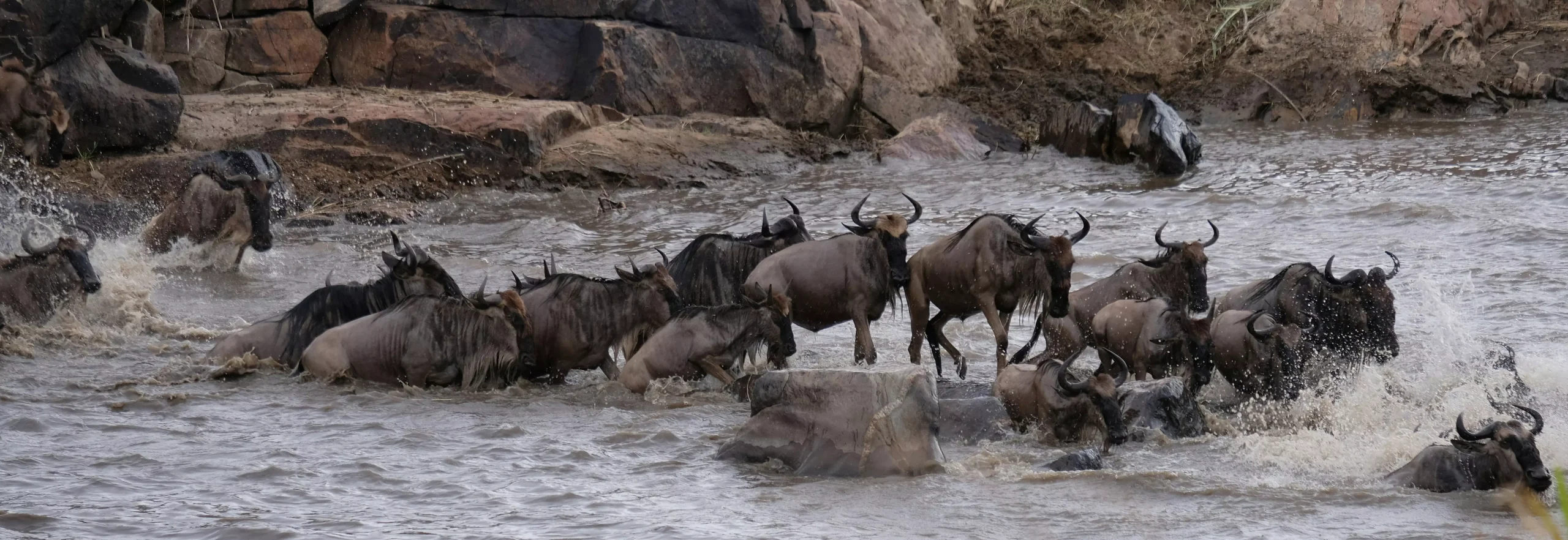
THE SERENGETI: WHERE THE HORIZON FORGETS TO STOP
Serengeti National Park is the landscape many travellers imagine when they first dream of Africa: immense grasslands stretching toward distant horizons, granite kopjes rising from the plains, acacia-dotted valleys and an extraordinary concentration of wildlife living almost entirely on nature’s terms. Located in northern Tanzania and forming part of the greater Serengeti-Mara ecosystem, the park is home to lions, leopards, cheetahs, elephants, giraffes, buffalo, hyenas and countless antelope species. It is also the stage for the Great Migration, when vast herds of wildebeest and zebra move through the ecosystem in search of fresh grazing and water. Yet the Serengeti is much more than one wildlife spectacle. Its enormous size, changing landscapes and year-round predator populations make it one of Tanzania’s most rewarding safari destinations in virtually every season.
A LANDSCAPE THAT CHANGES WITH EVERY HORIZON
Although the Serengeti is famous for its seemingly endless plains, the park contains a remarkable variety of landscapes. The southern reaches are characterised by short-grass plains that become particularly important during the migration’s calving period, while Central Serengeti around Seronera combines open grassland, river valleys and granite kopjes that provide excellent habitat for resident wildlife. Farther west, woodland and river systems transform the scenery, while Northern Serengeti becomes increasingly rolling and remote as the ecosystem approaches the Mara River and Kenya. These different environments are one reason a longer Serengeti stay can be so rewarding: travelling from one region to another can feel less like exploring a single park and more like moving through several different wildernesses.
WILDLIFE AT THE HEART OF THE SERENGETI
The Serengeti supports an extraordinary diversity of wildlife, but its predators are among its greatest attractions. Lions are widespread, cheetahs use the open plains to hunt, leopards favour riverine woodland and rocky areas, and spotted hyenas remain an essential part of the ecosystem. Elephants, giraffes, buffalo, hippos, crocodiles, jackals, gazelles, hartebeest and numerous smaller species complete a wildlife community that remains active throughout the year. This means a Serengeti safari does not depend entirely on finding the migration. Even when the largest wildebeest herds are elsewhere in the ecosystem, resident wildlife can produce exceptional game viewing.
THE GREAT MIGRATION: A WILDERNESS THAT NEVER STANDS STILL
The Great Migration is not a single event or a fixed route that operates according to a calendar. It is an ongoing movement of wildebeest, zebra and other grazing animals through the wider Serengeti-Mara ecosystem, influenced primarily by rainfall, water and fresh grazing. From roughly December through March, large concentrations are commonly associated with the southern Serengeti and Ndutu ecosystem, where the calving period brings extraordinary numbers of newborn animals and intense predator activity. As conditions change, the herds generally begin moving through central and western areas before reaching northern Serengeti and the wider Mara River region during the drier months. Later in the year, changing rains encourage movement south again. Exact herd locations and river crossings can never be guaranteed, which is precisely what makes the migration genuinely wild.
WHEN IS THE BEST TIME TO VISIT THE SERENGETI?
There is no single best month for everyone because the Serengeti changes throughout the year. January through March can be particularly rewarding for travellers interested in the southern plains and migration calving season. The greener months around April and May can bring dramatic skies, beautiful landscapes and fewer safari vehicles, although rain should be expected. From June onward, increasingly dry conditions create excellent general wildlife viewing, while July through October is particularly sought after for northern Serengeti and potential migration activity around the Mara River. November and December bring another transformation as short rains begin refreshing the plains and migrating herds gradually turn south. Rather than choosing a month simply because it has been labelled “best,” we prefer matching the part of the Serengeti you visit to the experience you want.
EXPERIENCING THE SERENGETI
Game drives remain the heart of a Serengeti safari, but the landscape offers different ways to experience its scale. Early-morning drives reveal predators before the heat of the day settles over the plains, while afternoon drives often continue into beautiful golden light. A hot-air balloon safari provides an entirely different perspective, floating above rivers, kopjes and grasslands as the sun rises. Photographers can spend hours following individual animals or simply waiting for the landscape and light to align. Migration-focused safaris add another dimension, with routes designed around seasonal wildlife movement rather than remaining fixed to one region of the park.
HOW MANY DAYS SHOULD YOU SPEND IN THE SERENGETI?
We recommend allowing at least two to three nights in the Serengeti, while three or four nights provide a noticeably more relaxed experience. The park is enormous, and rushing between destinations can easily turn a safari into a collection of long drives rather than meaningful time in the wilderness. Longer stays allow you to explore different habitats, return to promising wildlife areas and spend more time with interesting sightings instead of immediately moving on. For migration-focused journeys, the ideal length also depends on the season and which region of the greater Serengeti ecosystem you intend to explore.
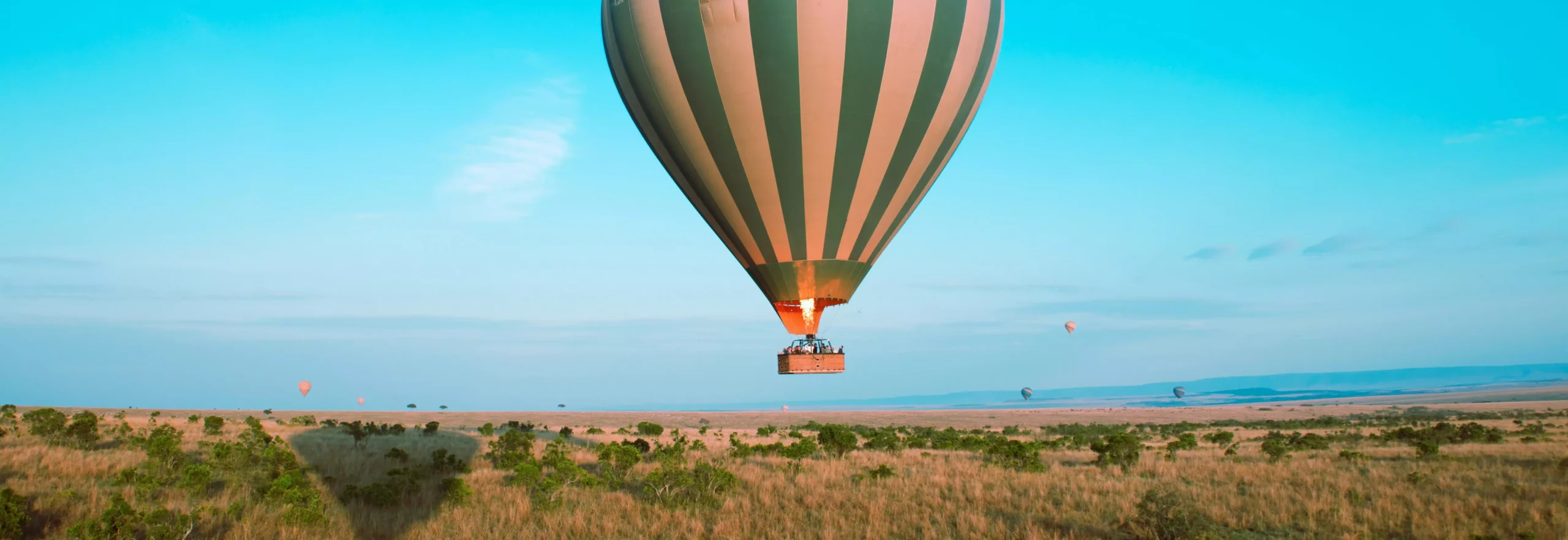
SERENGETI WITH WILDPACK
We don’t believe the best Serengeti safari is the one that checks the greatest number of animals off a list. It is the one that gives the landscape enough time to surprise you. That might mean sitting beside a kopje waiting for a leopard to appear, watching elephants cross the road in complete silence, following lions through the morning grass or simply stopping somewhere beautiful for coffee while nothing particularly dramatic happens. Our Serengeti journeys range from classic overland safaris and migration-focused adventures to luxury and fly-in itineraries, but they share one principle: give the wild enough room to write part of the itinerary.