
THE GREAT RUAHA RIVER
The Great Ruaha River shapes life across much of the park.
During the drier months, water becomes increasingly precious and wildlife concentrates around the river and remaining pools. Elephants descend toward the banks, antelope gather nearby and predators patrol areas where prey becomes easier to find.
The river is not merely scenery.
It is part of the machinery that keeps Ruaha alive.
Spend enough time beside it and the safari can begin unfolding without much driving at all.
A LANDSCAPE BUILT FOR WILDERNESS
Ruaha sits within a fascinating ecological transition where eastern and southern African landscapes and species overlap. The result is a park of extraordinary variety.
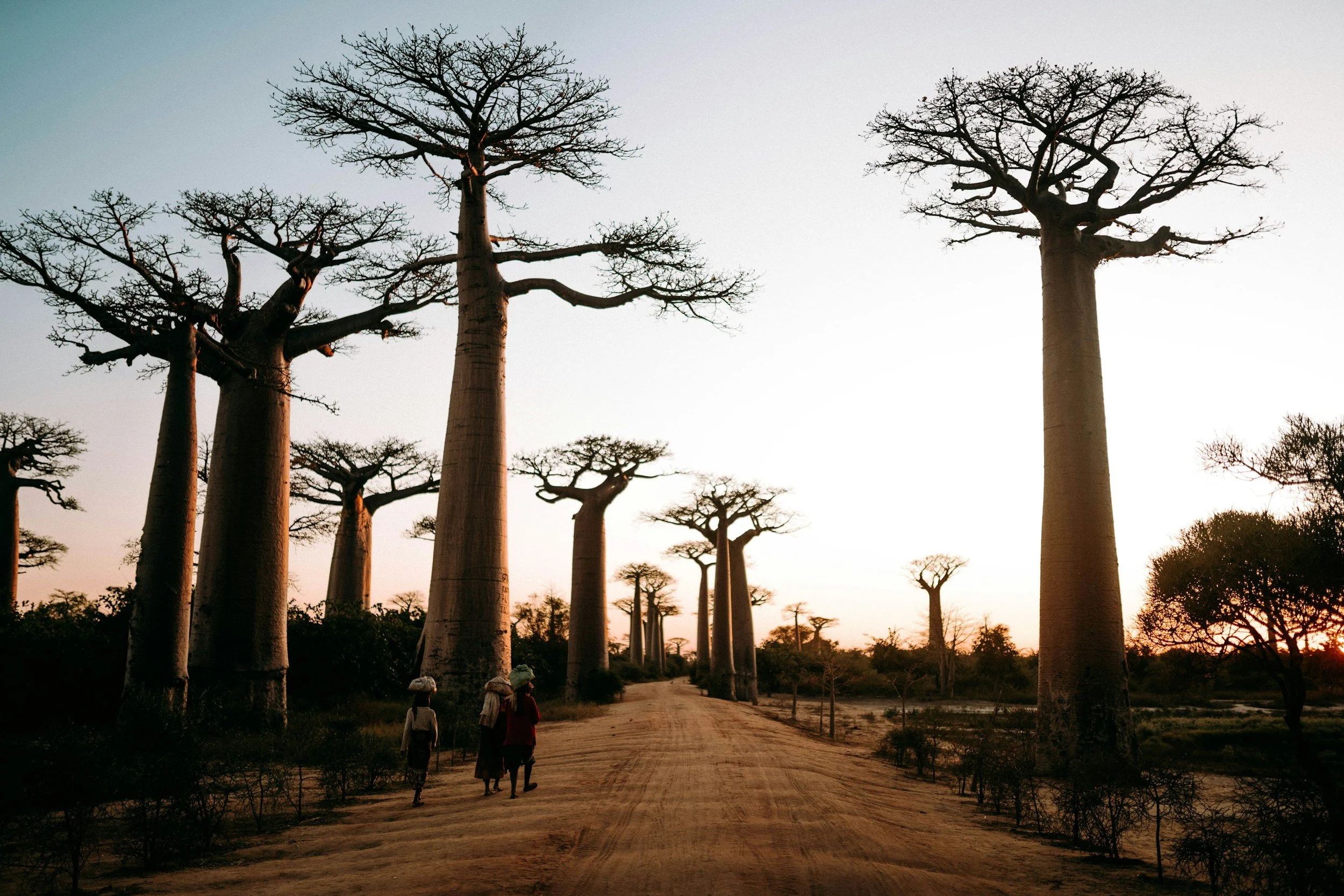
Baobabs rise above dry woodland.
Rocky hills interrupt broad valleys.
Seasonal rivers cut through the earth.
Open plains appear unexpectedly between denser areas of bush.
The landscape feels tougher than the Serengeti and less water-dominated than Nyerere.
There is dust here.
Heat.
Huge skies.
And roads that seem to disappear into nowhere.
That’s precisely the appeal.
PREDATOR COUNTRY
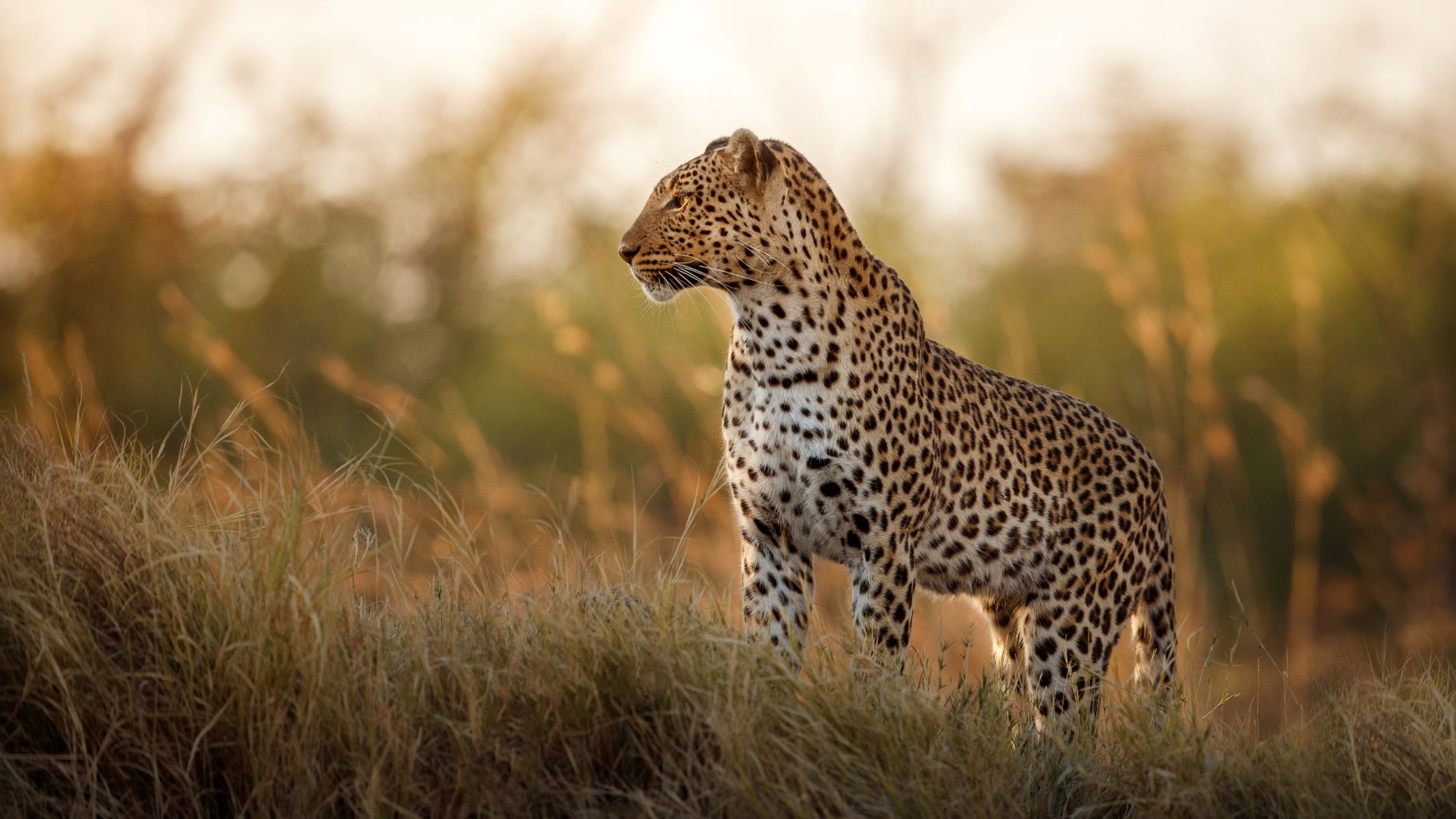
Ruaha is renowned for its predators, particularly lions.
Prides occupy territories throughout the park, supported by populations of buffalo, zebra, giraffe and numerous antelope species. Leopards and spotted hyenas also occur, while cheetahs may be encountered in suitable open areas.
African wild dogs are another important part of the wider ecosystem, although these highly mobile animals can be difficult to locate.
Predator sightings are never guaranteed.
But Ruaha gives you something arguably better than guarantees:
serious predator country with enough space for nature to behave naturally.
ELEPHANTS BENEATH THE BAOBABS
Elephants are an essential part of Ruaha’s identity.
They move between river systems, woodland and open areas, sometimes appearing against landscapes filled with enormous baobab trees.
These encounters can be spectacular.
But often the quieter moments stay with you longer.
A family feeding beside the road.
A calf almost disappearing beneath its mother.
An elephant standing beneath a baobab that makes even the elephant look small.
Ruaha is very good at changing your sense of scale.
MORE THAN THE FAMOUS ANIMALS
Ruaha’s location means its wildlife community includes an interesting mixture of species. Alongside elephants, lions, buffalo and giraffes, travellers may encounter greater kudu, sable and roan antelope in suitable areas, as well as impala, zebra, waterbuck and many smaller mammals.
Birdlife is equally impressive, particularly around river systems and woodland.
This diversity means game drives are not simply about searching for lions.
There’s always something else moving through the bush.
WHEN IS THE BEST TIME TO VISIT RUAHA?
The dry season, broadly June through October, is particularly rewarding for classic wildlife viewing. Vegetation becomes thinner and animals increasingly concentrate around rivers and remaining water sources.
As the dry season progresses, the landscape can become increasingly dramatic: dusty, golden and intensely wild.
The greener months bring an entirely different Ruaha. Vegetation returns, birdlife flourishes and dramatic skies transform the landscape. However, rainfall can affect road conditions, camp operations and access in some areas.
For photographers and repeat safari travellers, the green season can be beautiful.
For first-time visitors prioritising concentrated wildlife viewing, the dry months are generally the easier choice.
HOW LONG SHOULD YOU SPEND IN RUAHA?
Ruaha deserves time.
We recommend at least three nights, while four nights or more allow the park to reveal itself properly.
Distances can be substantial, wildlife encounters can require patience and one of Ruaha’s greatest luxuries is not having to rush back onto the road because tomorrow’s itinerary says you need to be somewhere else.
If you’ve flown this far into southern Tanzania, stay awhile.
GETTING TO RUAHA
For many safari itineraries, flying is the most practical way to reach Ruaha.
Scheduled light-aircraft services can connect the park with other safari regions and major travel hubs depending on current schedules and season.
This makes Ruaha particularly powerful as part of a fly-in southern circuit.
NYERERE ✈ RUAHA
is one of the combinations I’d push strongly for Wildpack.
You move from river-dominated wilderness to dry baobab country without losing a day to an enormous road transfer.
RUAHA WITH WILDPACK
Ruaha isn’t where we’d send someone who wants to photograph five famous animals before lunch and move on.
It’s where we’d send someone who asks:
“Where can we go that’s properly wild?”
Wake before sunrise.
Take coffee into the vehicle.
Follow the river.
Stop beneath a baobab.
Wait.
There might be lions around the next corner.
There might be absolutely nothing.
In Ruaha, even nothing can look spectacular.